Explore Brayton
- Renewable Energy
- Gas Turbines
- Heat Exchangers
- Propulsion
- Combustion
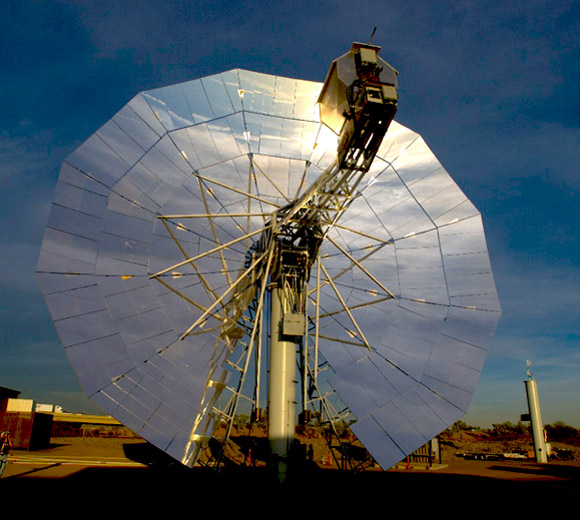
Renewable Energy
Brayton Energy has over 30 years of experience and over 25 projects developing advanced energy systems.
- Concentrated Solar Power
- Biomass power –solid fuels combustion
- Bio-gas: landfill, municipal digester, gasification
- Bio-fuels : Ethanol, bio-diesel, bio-oil
- Nuclear gas-cooled reactors
- Hybrid Fuel Cells
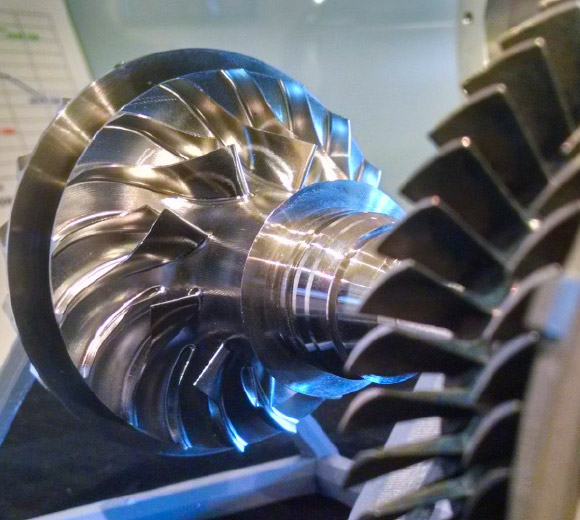
Gas Turbines
With more than 60 related projects, Brayton specializes in design and analysis of gas turbine engines, microturbines and complex Brayton cycles.
- Turbomachinery design from 1kW to 100 mW
- Cycle modeling trade studies
- Recuperated & combustion cycle incorporation
- Detailed processing of custom hardware
- Component level testing
- Performance mapping
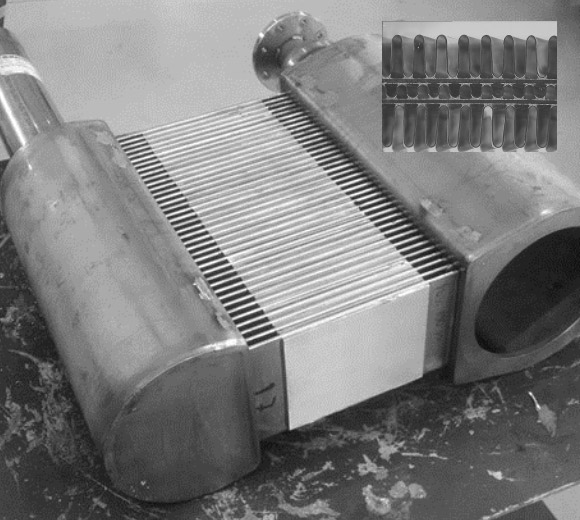
Heat Exchangers
Brayton has emerged as an industry leader using patented recuperator technologies and architectures in the most challenging heat exchanger applications.
- Supercritical CO2 cycles
- Gas turbine recuperators
- Next Gen nuclear
- Sub component destructive creep testing
- Thermal fatigue test characterization
- High temp thermal mechanical analysis
- High temp thermal mechanical analysis
Propulsion
From the sky to the road, Brayton has designed and tested their prototype micro-turbines using cutting-edge components for major corporations and US Government programs.
- Vehicular gas turbines
- Hybrid vehicles
- Range extenders
- Unmanned aerial vehicles (UAV)
- Mid-altitude propulsion
- High altitude turbocharging
- High Altitude airship
- Direct drive and alternator power outputs
Combustion
Fuel system development and integration is a key focus at Brayton, achieving NOx and CO levels below those of any commercial gas turbine or micro-turbine.
- Gas, liquid and solid fuel combustion studies
- Integrated annular and can style designs
- Gas Turbine Combustor & Fiber Matrix burners
- Duel Fuel & alternative fuel Combustors
- Ultra Low Emission Natural Gas Combustors
- Proven Techniques to Achieve CARB Emission Standards
- Prototype manufacturing and testing for 1kW to 2mW engines
Recent Brayton Projects
MIT Micro Channel Heat Recuperator
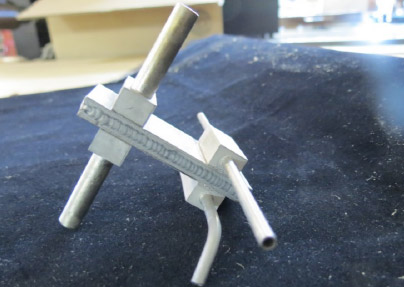
Develop a micro profile heat exchanger to recover heat from combustion exhaust. Develop a manufacturing processes for micro channel flow with minimal pressure losses. Read More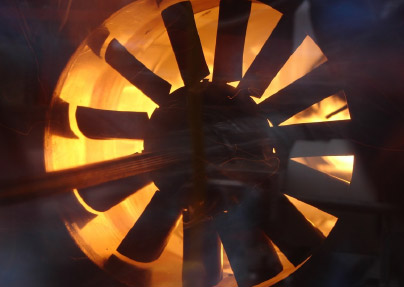
Biomass Burning Fuels
Direct biomass combustion (solid fuel internal combustion) eliminates much of the costly fuel processing associated with making either bio-oils, ethanol, or standard gasifiers. To effectively achieve direct biomass combustion in a gas turbine Read More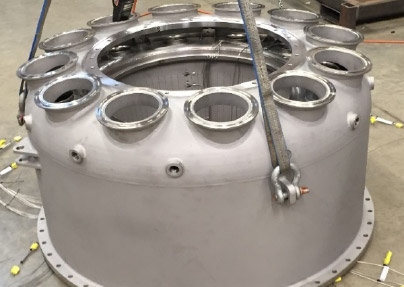
Annular Style Combustors
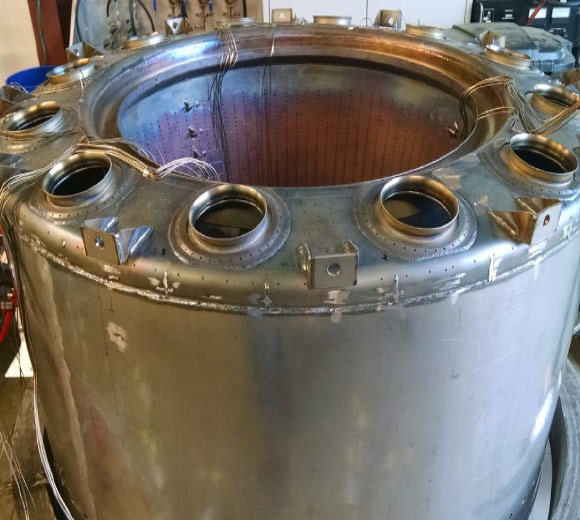
Brayton’s liner from Alloy 230 custom formed to match the critical radiuses required including detailed hole patterns. Shown with installed instrumentation locations to measure effusion cooled temps Read More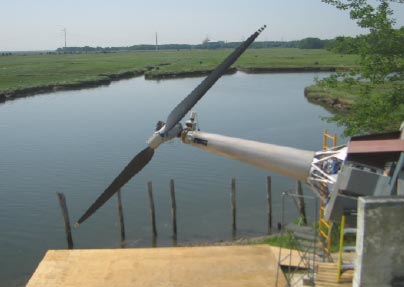

UAV Turbojets & Turboprops
UAV Airships – Military, Homeland Security sponsorship, wide applications: Much less expensive than satellites; Much less expensive O&M than fixed wing UAVs; Tactical Surveillance Read More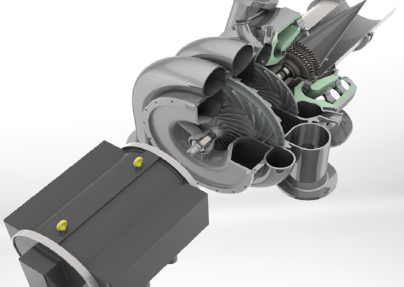
1.2 MW Gas Turbine
Direct biomass combustion (solid fuel internal combustion) eliminates much of the costly fuel processing associated with making either bio-oils, ethanol, or standard gasifiers. To effectively achieve direct biomass combustion in a gas turbine Read More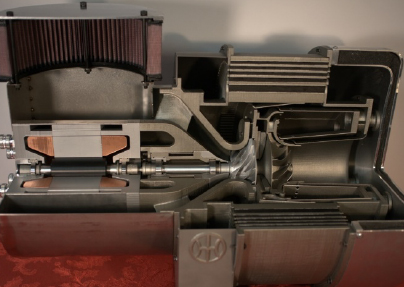
60 kW Microturbine
Compact 60 kWe Microturbine Range Extender: Innovative cold-end bearing architecture; Advanced radial turbine cooling for higher firing temperatures; High speed alternator; 33 to 45% LHV efficiency Read More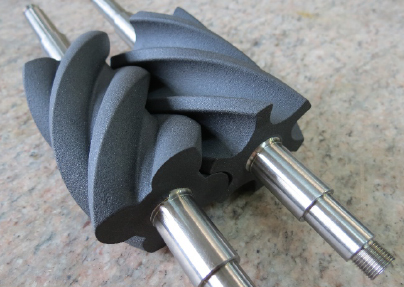
2 kW Recuperated Brayton
Brayton Energy’s 2kWe recuperated Brayton-cycle generator uses a screw compressor and ceramic screw expander, intended to produce heat and electricity for residential use. The package total size is 48” x 38” x 36” (W x D x H). Read More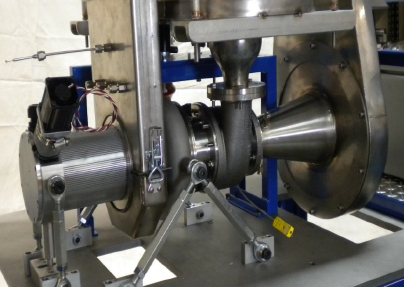
12kW Recuperated Gas Turbine Genset
Single shaft architecture; Air bearings; PM generator; Multi-fuel combustor; Advanced low-cost recuperator; Designed for high volume production in India (2016) Read More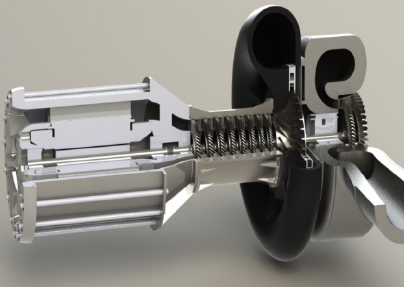
Laughlin/ Brayton Battery Gas Turbine
The Laughlin/Brayton Battery Project: Brayton is designing an advanced closed-cycle gas turbine: Closed-cycle He/Ar working fluid; Only one moving part; No mechanical wear – all magnetic bearings Read More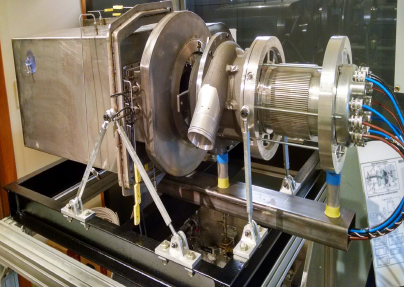
ICR 80kW Axial Gas Turbine
Intercooled Recuperated Microturbine – 80 kWe: Designed for Class 5/7 series hybrid delivery vehicles - Very compact, light weight ICR cycle; Core engine = 128 lbm; Recup combustor module ~ 125 lbm; Two stage axial turbine Read More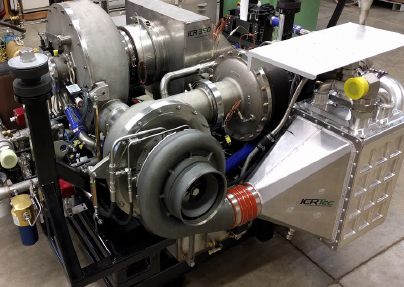
ICRTec 350kW Gas Turbine Genset
Two field test units for NRG and Microsoft: Standard synchronous generator output for install convenience; Upgraded pre-production castings and tooling; Ceramic static and rotating hardware implements in High Pressure spool Read More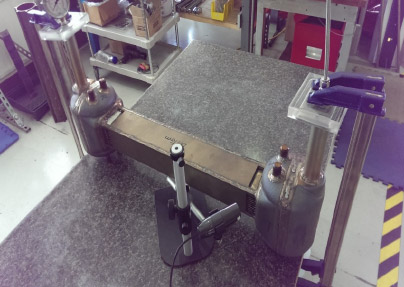
NET Power sCO2
Designed and developed a heat exchanger core test rig to validate the analytical and thermo mechanical goals of the program. Used as a proof of concept sub scale prototype for power generation from a 25MW demonstration system. Read More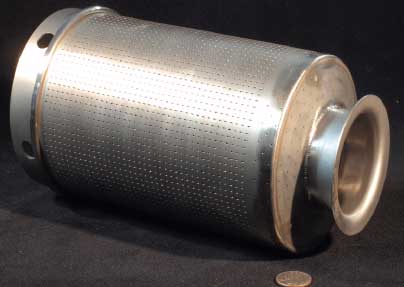
“Can” Style Combustors
Brayton has designed and tested can style combustors ranging from 2” – 26” diameters from common stainless steels to high nickel alloys. Read More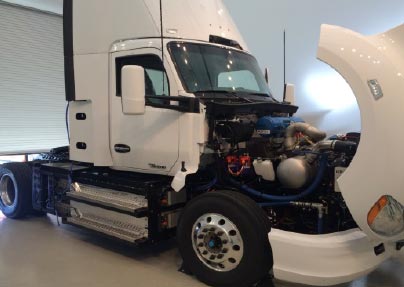
Mechanical & Hybrid Drives
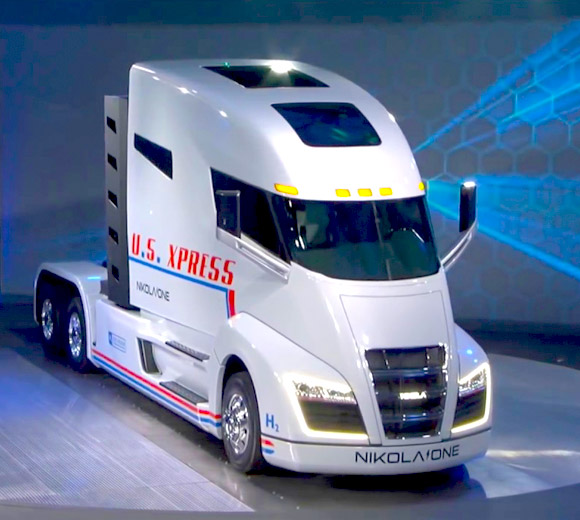
Stringent emissions standards and increasing fuel prices drive a need for alternatives to the traditional piston internal combustion engine (ICE). The ICR350 gas turbine engine produces 350 kW peak power in a direct-drive application for Class 8 trucks. Read More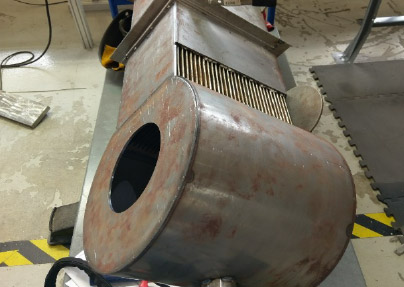
Laughlin Battery – Google Recuperator
The goals of this project were to design, build, instrument and test a recuperator and hot source heat exchangers that are integral components of a 10 mW energy storage system. Brayton provided development milestones, a test rig and ... Read More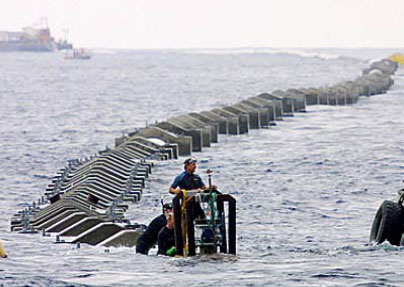
UCAES Undersea Compressed Air Energy Storage
Brayton Energy received SBIR Phase-1 and Phase-2 awards, to advance the development of compressed energy storage, using an innovative undersea air storage system. Period of performance DOE (2010-2015) and US Navy (2015-2016). Read More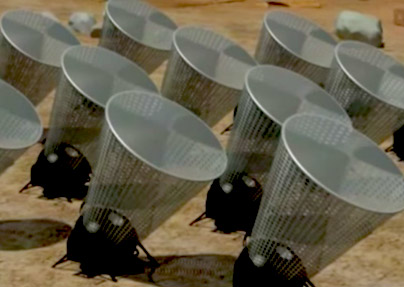
The Wilson Solar Cooker
The video was made by Theodora Vardouli, Derek Allen Ham, and Eric Uva, as part of their work for an entrepreneurship course taught by Professor Fiona Murray, Sloan School, MIT, May 2011. Read More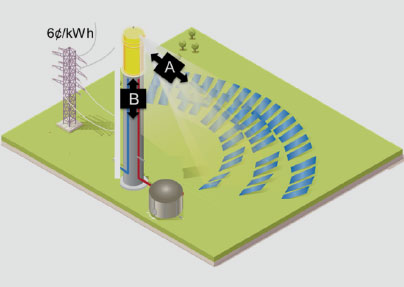
CSP Apollo
This program achieves the Department of Energy $0.06/kW-hr Concentrated Solar Power (CSP) energy target by 2020 by coupling the solar absorber, the thermal energy storage, commercial wind turbine tower technology, and a high-efficiency supercritical Read More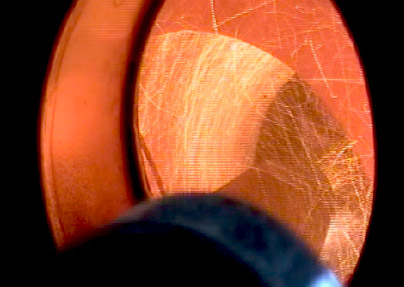
Biomass Conversion
Direct biomass combustion (solid fuel internal combustion) eliminates much of the costly fuel processing associated with making either bio-oils, ethanol, or standard gasifiers. To effectively achieve direct biomass combustion in a gas turbine Read More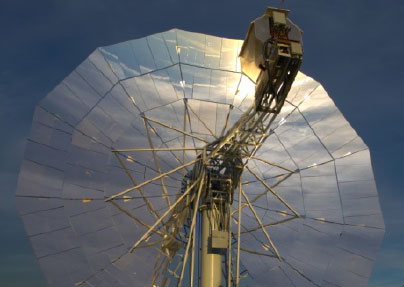
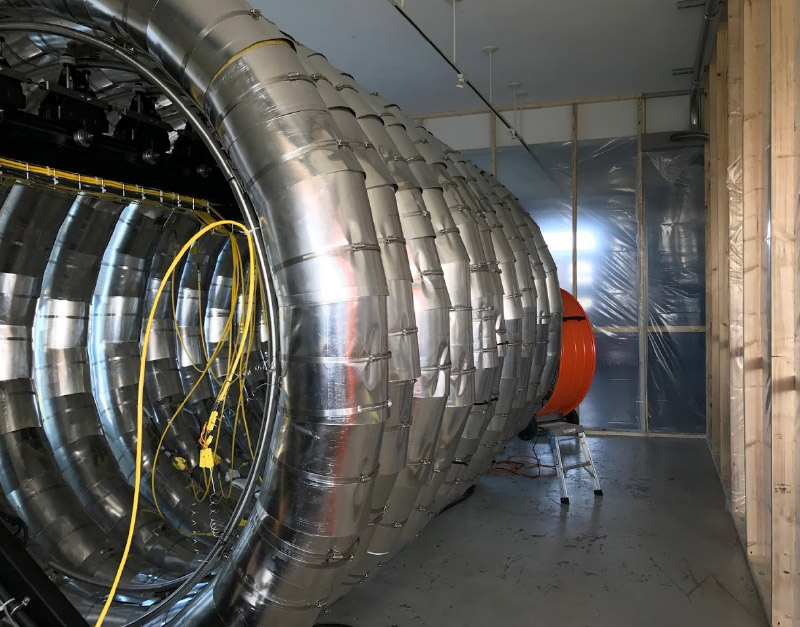
DOE Salt Coupler
Develop a cost competitive flexible pipe coupling suitable for the full service life of a trough solar receiver using molten salt as a heat transfer fluid at 500 C or greater. Development of a rotary pipe coupler that is acceptable for molten salt operating Read More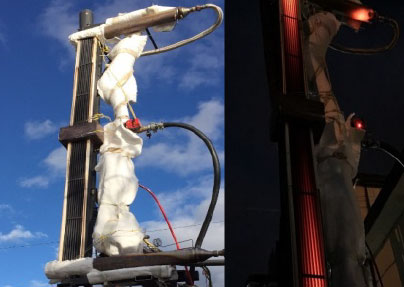
DOE SunShot
A low-cost, high-efficiency, high-pressure-capable solar receiver architecture was developed and tested. This technology enables the sCO2 power cycles that are a key component to achieving the DoE $0.06/kWh CSP LCOE target by 2020. Read MoreOur Capabilities
Prototyping
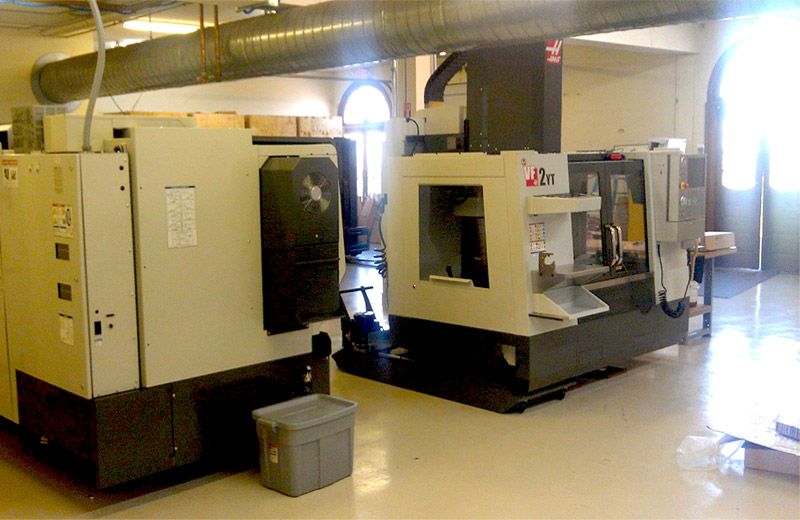
Brayton is equipped with a diverse range of equipment for rapid prototyping and process development – including CNC machinery, specialized welding systems and multiple fabrication tools throughout our facility.
Brayton can create or modify custom tooling and finished hardware within 5 µm tolerances to meet the most demanding accuracy requirements for turbomachinery and high-speed bearings systems. With engineers, designers, and machinists working together, Brayton’s in-house capability provides an ideal environment for rapid prototyping.
Manufacturing
Laboratory